
AUTOMOTIVE ENGINEERING GLOSSARY
Runout
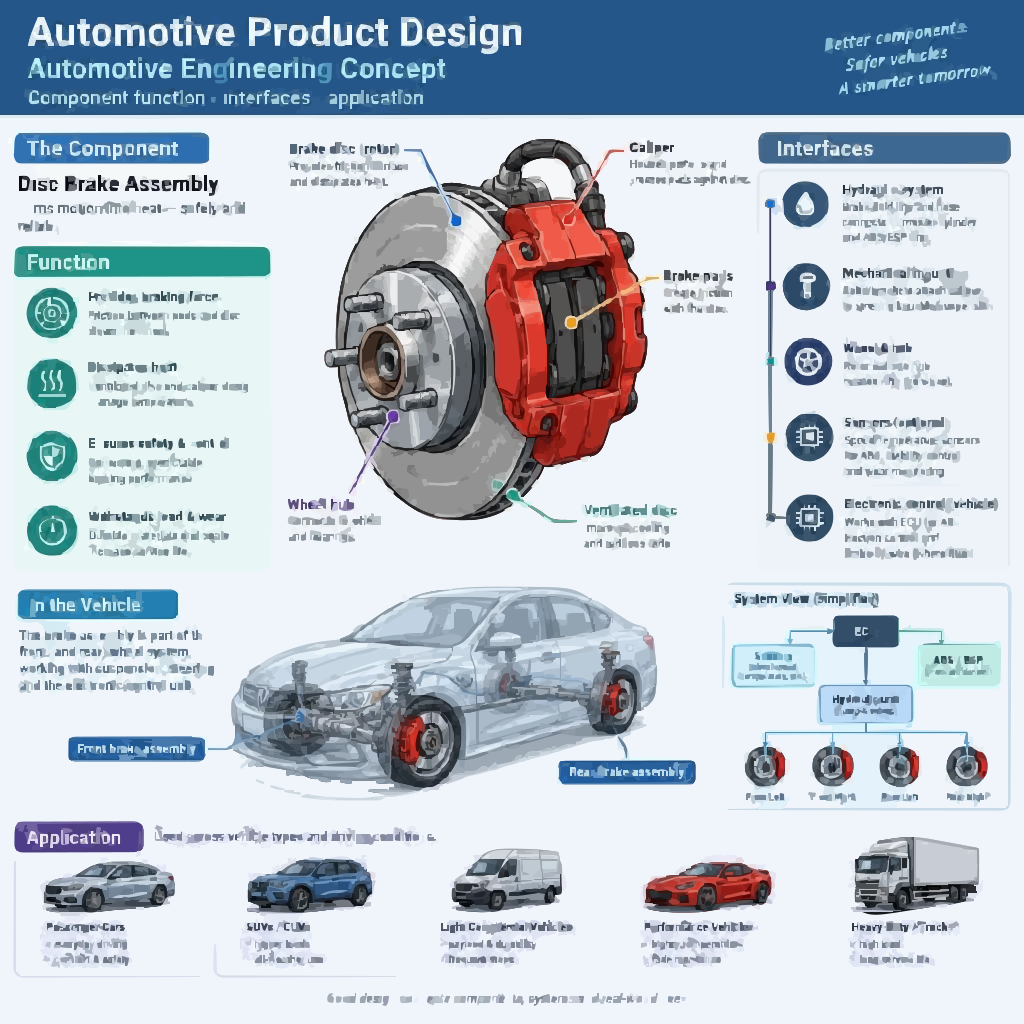
A geometric tolerance related to the variation of a surface or feature during rotation about a datum axis.
Why it matters in automotive product engineering
Runout may be relevant to rotating components where functional surface variation affects performance.
Related learning page
Definitions are educational summaries. Always use the applicable customer specification, approved engineering procedure and current standards for programme decisions.
COMMON QUESTIONS
Frequently asked questions
Clear answers to help you understand the topic and its learning value.
What does Runout mean in automotive engineering?
Runout is an engineering term used to describe a specific concept, feature or process. Its exact meaning should be interpreted in the context of the component, drawing, specification or development activity.
Why is Runout important?
Understanding Runout helps engineers communicate design intent, assess requirements and make decisions that support product function, manufacturing and quality.
Where is Runout used during vehicle development?
It may be considered during component design, engineering reviews, manufacturing planning, inspection or validation, depending on the system and programme requirements.
What should an engineer check when working with Runout?
Check the applicable drawing, specification, functional requirement, interfaces and acceptance criteria. Confirm assumptions with the responsible engineering or quality team.
How can I learn Runout with a practical example?
Use a representative component or drawing, identify the requirement, explain the engineering purpose and document the checks or evidence needed. Keep learning examples separate from confidential customer information.